Monday, February 15, 2010

Compatibility of Religion and Science

Religion and Science have been at odds since long in Europe. We know from the medieval history about the famous Galileo controversy where the Catholic Church prosecuted him and forced him to disown the heliocentric theory. To counter the brutal persecution of scientists by religious groups, some illuminati(enlightened) retaliated violently as depicted in the movie Angels and Demons starring Evan McGregor and Tom Hanks.

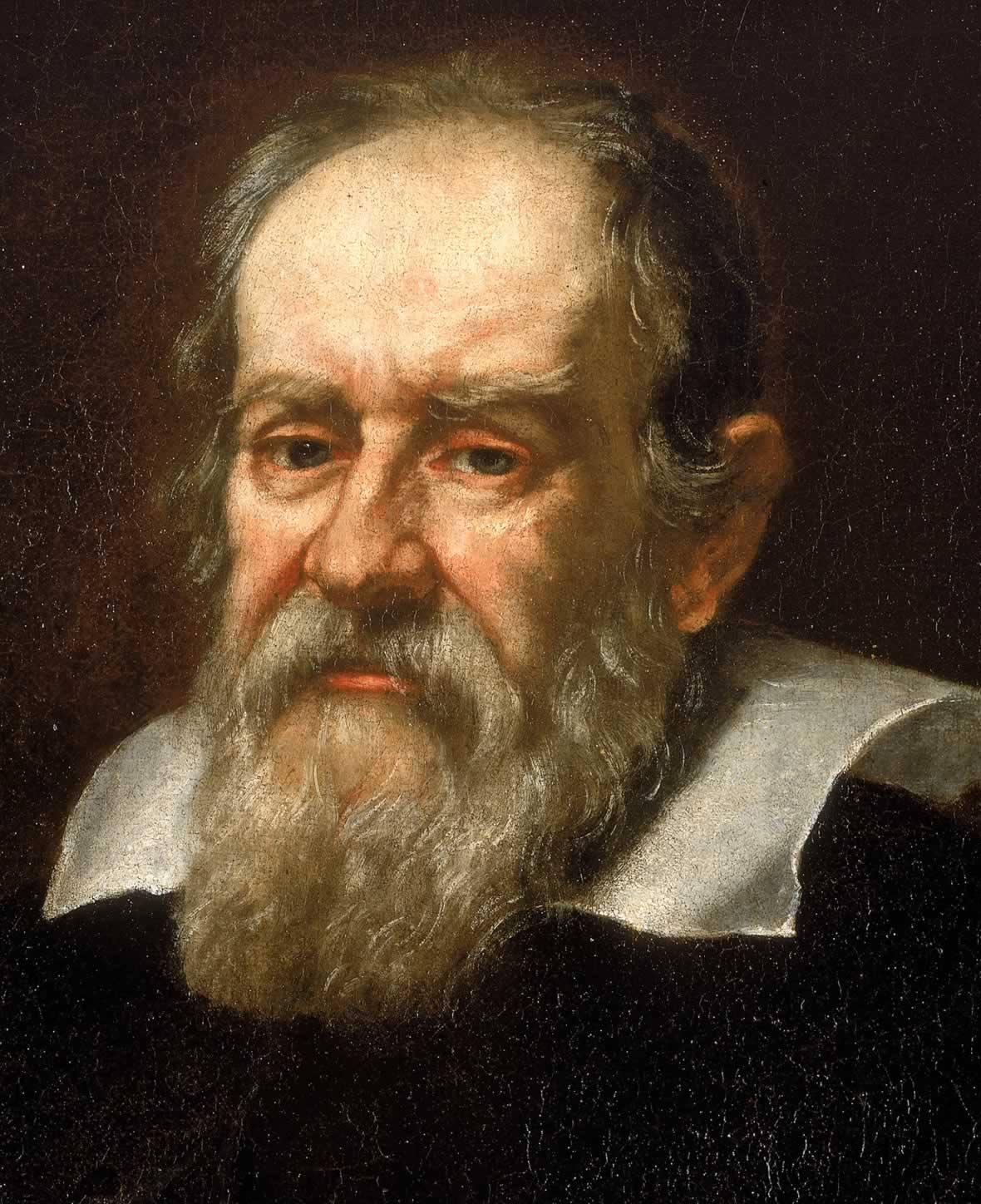
Well, today is the birth anniversary of Galileo Galilei (Feb 15, 1564 - Jan 8 1642), one of the earliest modern scientists. As if timed for the occasion, 3 days ago Church of England's Synod passed a motion calling the Church leaders to emphasize the compatibility of belief in God and science, reports BBC :
Dr Capon's motion has come in response to what many in the Church perceive as a growing pressure on the public to choose between the merits of either religion or science.

A former lecturer in computer science, Dr Capon said atheists were misleading the public when they claimed science and religion are incompatible.

He believed that some popular science and nature programmes also repeated this line too easily, ignoring the fact that many scientists hold spiritual beliefs.
While this attempt is appreciated, one important difference remains is that the Western culture still maintains the duality between Science and Religion while the Indian spiritual traditions maintained the pure non-dual perspective on these and other issues as evident in Vallabhacharya's famous definition of devotion (Tattvartha Dip Nibandh Shastrartha Prakaran Karika 45):

माहात्म्यज्ञानपूर्वस्तु सुदृढः सर्वतोऽधिकः ।
स्नेहोभक्तिरिति प्रोक्तः तयार्मुक्ति: नचान्यथा।।

As per this verse, Science is the pre-requisite for devotion (love for God) which is the highest form of Religion. While some shallow devotees might argue that he is referring to only the scriptural or religious knowledge, the fact is if they truly believe in Vallabhacharya's philosophy of Shuddhadwait Brahmvaad, everything that is there is nothing but a manifestation of that Pure Supreme and thus even the modern science can and should be understood and appreciated and in fact in most cases it leads to better devotional steadfastness. By the same argument, even the religions other than one's own are His manifestations and thus can and should be understood and appreciated within one's capacity. Those who fight in the name of religions, can't be called religious fundamentalists as they know nothing about the 'fundamentals', they are religious shallowists!

Back to science and religion debate, here is a nice TED talk delivered by the evangelist Rev Billy Graham on Technology and Faith. It falls a little short on the compatibility of the religion and science though, as he goes overboard on evangelizing Christianity and resurrection than unifying the duality.

Thursday, January 07, 2010

Meet Shree Vallabh, the Microblogger, er the Twitterer of the medieval period

The advent of the 21st century saw the rise of social media, the so-called web 2.0 which facilitated anyone with a computer and internet to publish their thoughts instantly for the entire world to read and comment. However, not everyone is interested or gifted to write a detailed articles or blog posts, that's where the microblogging phenomenon comes into picture. Twitter is an example of it as it allows one to publish a short (140 character i.e. 10-15 words) "microblog" to describe anything one wants. You can follow this blog on twitter @ShuddhAdwait

Now, fast backward to the medieval period (15th century AD) when scholars used to write lengthy commentaries on scriptures to establish their philosophy. However, there was one who was different! Meet Shree Vallabh, the microblogger, er the twitterer of the spirituality. Vallabhacharya's writing was so succinct that few sentences would suffice him to comment on a Brahm Sutra of Ved Vyas (who himself was a great twitterer to express the entire Vedas as Brahm Sutras or shall we say, Brahm Tweets!) Here is an example of a Sutra and the commentary:

अत एव न देवता भूतं च || १|२|८|२७ ||
वैश्वानरो न ऊत्येत्यादिमन्त्रैर्देवताया महाभूताग्नेर्वा वाक्यार्थतेति कस्यचिद बुद्धिः स्यात | तदप्यतिदेशेनैव परिहरति | मुख्योपपत्तिर्भगवत्परत्वे संभवति नान्यकल्पना युक्तेति ||

This sutra is a part of the Vaishvanar-adhikaran which is a part of the second section of the first chapter of Anubhashya. Here Vallabhacharya establishes that Brahm is the Vaishvanar who is universal and not just limited to the devata (the belly-fire or digestion acid of a living entity), because the main purpose of Brahm Sutra is related to the Supreme Brahm and not any other imagination.

Coming back to microblogging, it requires a great deal of intellectual skill to express a complex topic into a few words - anyone who had to do a comprehension or summarization as part of the school exam knows how difficult it can get. Late Prof G H Bhatt has glorified this brevity of Vallabhacharya in his book Shree Vallabhacharya and his Doctrines. Especially read the chapters 8 and 9 where it is also established how the mentality of Vitthalnathji was different from that of his father Vallabhacharya, resulting in stark contrast of writing and expressions.

Vallabhacharya has also written "macroblogs". In fact, the above book clarifies why Anubhashya is called Anu-Bhashya and hints that there was a Brihad-Bhashya written by Vallabhachrya but was lost. By the way, Bhashya in sanskrit means "the speech/commentary" which in bird language would mean "tweets", there you have it! The take away from this blog post is that depending on the circumstances, you should be able to convey a message as succinctly and precisely as possible. It reflects your intellectual scientific advancement. Otherwise you will litter the blogosphere with spam!

Sunday, July 05, 2009

Buddhi < Atma < Science

The "Science-as-a-Saarathi" (Saas, different from Software-as-a-Service :) model) verse that I blogged about in the previous post, seems to be favorite to both Vallabhacharya and Yogi Gopeshvarji, as I came across another Brahmsutra 1-4-1-1 commentary where it is quoted.

Ok, a little bit of background won't hurt. The first chapter of Brahmsutra/Anubhashya is concerned about learning the Swaroop (Nature) of Brahm as the ultimate assimilation of all the Vedants. It has four sections, the first three basically covers all the Vedanta while establishing the Brahm's manifestation through Kaarya (Creation), Antaryaami (Soul-within-soul) and Upaasyaroop (Deity form) respectively. The fourth is interesting - it focuses on Prakirnak (Miscellaneous) sentences of the Vedas particularly the ones following the Kapil's Saankhya philosophy and being misunderstood as the essence of the Vedas. This section tries to remove such illusion by invalidating their authenticity, however Bhashya-Prakash author Shree Purushottamji is very adept in clarifying that there is no intention to invalidate the authenticity of the philosophy all together.

Here we go :

आनुमानिकमप्येकेषामिति चेन्न शरीररुपकविन्यस्तगृहीतेर्दर्शयति च || (ब्रह्मसूत्र १|४|१|१)


एवं वेदान्तानां ब्रह्मपरत्वे निर्णीते, केचिद् वेदार्थाअज्ञानात् क्वचिद् वेदभागे कापिलमतानुसारिपददर्शनेन तस्यापि वेदमूलकत्वं वदन्ति | तन्निराकरणाय चतुर्थः पाद आरभ्यते | तत्र, ईक्षतेर्नाशब्दमिति सांख्यमतमशब्दत्वादिति निवारितम् | वेदेन प्रतिपादितमिति तत्राशङ्कते | आनुमानिकमप्येकेषाम् |

Vallabhacharya first takes up the argument "Brahm is Ashabdam (indescribable), therefore Sankhya philosophy is valid as per the Vedas." He starts by quoting what one of the branches of Kath line of Saankhya teaches.

एकेषां शाखिनां शाखासु सांख्यपरिकल्पितप्रकृत्यादि श्रूयते |

'इन्द्रियेभ्यः परा ह्यर्था अर्थेभ्यश्च परं मनः |
मनसस्तु परा बुद्धिर्बुद्धेरात्मा महान् परः ||
महतः परमव्यक्तमव्यक्तात् पुरुषः परः |
पुरुषान्न परं किंचित सा काष्ठा सा परा गतिः' || इति काठके श्रूयते |

तत्र बुद्धेरात्मा अहंकारः | ततो महान् महत्तत्वम् | ततोअव्यक्तं प्रकृतिः | ततः पुरूष इति | न ह्यहंकारादयः पदार्था ब्रह्मवादे संभवन्ति | तस्मादेवंजातियकेषु तन्मतपदार्थानां श्रवणान्मायाप्रकृत्यविद्यावादा अपि श्रौता इति चेन्न | शब्दसाम्यमात्रेण न तन्मतं सिद्ध्यति |

In that branch, Buddhi - Atma - Ahankaar - Mahad Tattva - Avyakta Prakruti - Purush, that way the superiority hierarchy is established to prove the Maya-Prakruti-Avidya-Vaad philosophy. But as per Vallabhacharya, Ahankaar etc have no place in Brahmvaad, so that philosophy cannot be considered as coming from Shruti (Authentic). He gives a very beautiful linguistic explanation : philosophy is not proved by (arguments based on observation of) word-similarities only. He emphasizes the importance of (spatio-temporal) context in deriving the meaning of words. (Wow, contextual semantics. He could make a good professor in a linguistics department even today!)

'संदिग्धानां पदार्थानां पौर्वापर्येण निर्णयः |
न तू संदिग्धवाक्येन सर्वव्याकुलतोचिता' ||

Purushottamji explains by throwing a bit more light on linguistics "Ambiguities arise generally at the word meaning level. Words are parts of sentences and sentences those of a major axioms. Therefore meaning of the words should be decided in reference to the major axioms and not the other way around which would cause the pain of not being able to prove the philosophy."

अत्र हि पूर्वम् |

So, now he exemplifies, by quoting what should have been understood before (temporal left context) :

'आत्मानं रथिनं विद्धि शरीरं रथमेव तू |
बुद्धिं तू सारथिं विद्धि मनः प्रग्रहमेव च ||
इन्द्रियाणि हयानाहुर्विषयाँस्तेषु गोचरान् |
आत्मेन्द्रियमनोयुक्तं भोक्तेत्याहुर्मनीषिणः' ||

तदनु चत्वारि वाक्यानि | 'यस्त्वविज्ञानवान्' इत्यादि | तदनु 'इन्द्रियेभ्यः पराः' इति |

Then follow the four verses - these are the first four of the "Science-as-a-Saarathi" blog post. So, now you, the blog reader, also get one of the contexts of that post. After that, one should understand the Indriyebhyah Parah verses quoted at the beginning of this Sutra-Anubhashyam (i.e. this blog post).

तत्र पूर्वसंबन्ध एवार्थ उचितस्तमाह शरीररूपकविन्यस्तगृहीतेः | शरीरेण रूप्यन्ते ये शरीरेन्द्रियादयस्ते विन्यस्ता यत्र रूपकभावेन रथादिषु तेषामेवात्र गृहीतिर्ग्रहणम् | अन्यथा प्रकृतहानाप्रकृतपरिग्रहापत्तिः |

Here is the beauty of Vallabhacharya. Not only he advocates the contextual meaning, but also ascertaining the validity of the contexts themselves! That is where he uses the second part of the Sutra. And, he is so adorable when he provides the definitions of novel terminology. In the present times, Shyamubava of Mumbai/Kishangarh also does that sometimes. Linguistic richness is the hallmark of one's intellectual wealth.

जीवप्रकरणं ह्येतन्मुक्त्युपायोअस्य रूप्यते |
योग्यं शरीरमारूह्य गच्छेदिति हरेः पदम् ||

तत्र जीवस्य ब्रह्मप्राप्तौ मुख्यं साधनं शरीरम् | स रथः | सर्वसामग्रीसहिताअपराधीनयानत्वात् | रथस्तु हयाधीनः | हयाश्च स्वबुद्ध्यधीनाः | सा च प्रग्रहाधीना | स च सारथ्यधीनः | स च स्वबुद्ध्यधीनः | सा च मार्गाधीना | स च प्राप्याधीन इति | एवं ज्ञात्वा युक्तसामग्रीकस्तद्देशं प्राप्नोति | तत्रेन्द्रियाणामात्मा विषयाः |

He establishes that Shareer (Body) is the main instrument in a Jeev's (Living Entity's) achieving/realizing the Brahm. Having established the analogy of the Rath (Chariot) to the Shareer (Body), he gives the dependency chain from Chariot to the Final Goal (Brahm). Finally he establishes that the subject matter of the Indriys (senses) is the Atma (soul). Purushottamji also quips in with additional proofs in that regard, which the curious should read from the Bhashya-Prakaash.

ते च मनसा सम्यक्त्वेन भावितास्तथा भवन्ति | विरक्तेन्द्रियाणामतथात्वात् |
बुद्धेरात्मा विज्ञानम्, तद् ब्रह्मविषयकं महद् भवति | ततः परमव्यक्तं, न प्रकटं, भगवत्कृपैव | सा तु भगवदधीना, न साधनान्तराधीना | स च भगवान् स्वाधीन इति | एवमेवार्थस्तस्योचितः | किंच, दर्शयति स्वयमेवेममर्थम् |

He brings in the devotional aspects of his philosophy by saying that the senses nourished with a devotional equipoised mind will also become the same, because they are detached. From the Saarathi analogy, Buddhi (Intelligence) is higher than Mind while Atma is higher than Buddhi. Completing the understanding of the original verse, Vallabhacharya says Vigyan (Science) is higher than Buddhi and Atma and it goes even higher when it is purely related to Brahm (The Supreme). Further higher is the Impersonal Brahm which is so by the grace of the Bhagvaan (Supreme). That grace is in turn dependent on Bhagvaan only and not to any endeavors. Bhagvaan is the Highest and Independent. This is the proper meaning of the original verses.

As the icing on the cake, he concludes the Sutra-AnuBhashya by quoting and explaining the following beautiful lovely verse and also completing the temporal right-context:

'एष सर्वेषु भूतेषु गूढोत्मा न प्रकाशते |
द्रश्यते त्वग्र्या बुद्ध्या सूक्ष्मया सूक्ष्मदर्शिभिः'
|| इति |

सूक्ष्मया उपनिषदनुसारिण्या बुद्ध्या | भगवज्ज्ञाने हि तत्प्राप्तिरिति | चकारात्, 'ततो मां तत्त्वतो ज्ञात्वा विशते तदनन्तरम्' इति स्मृतिर्गृहीता | तस्मात्, साधनोपदेशान्न सांख्यमतमिह विवक्षितमिति || १ ||
Tuesday, December 23, 2008

Science as a Saarathi

While reading Brahmasutra-Anubhashya-Prakaash-Rashmi, I came across this nice segment in the commentary on the Sutra 1-2-4-12 "विशेषणाच्च |" within the "गुहां प्रविष्टौ आत्मनौ इति" adhikaran 4 of the second section of volume 1.

यस्त्वविज्ञानवान भवति अयुक्तेन मनसा सदा |
तस्येन्द्रियाण्यवश्यानि दुष्टाश्र्वा इव सारथेः ||
यस्तु विज्ञानवान भवति युक्तेन मनसा सदा |
तस्येन्द्रियाणि वश्यानि सदश्र्वा इव सारथेः ||
यस्त्वविज्ञानवान भवत्यमनस्कः सदा अशुचिः |
न स तत्पदमाप्नोति संसारं चाधिगच्छति ||
यस्तु विज्ञानवान भवति समनस्कः सदा शुचिः |
स तु तत्पदमाप्नोति यस्माद्भूयो न जायते ||
विज्ञानसारथिर्यस्तु मनः प्रग्रहवान्नरः ||
सोअध्वनः परमाप्नोति तद्विष्णोः परमं पदम ||

The rough translation of the above four verses is :

He who becomes a possessor of non-science due to always uncollected mind, his senses become uncontrollable like the bad horses of a charioteer.
He who becomes a possessor of science due to always collected mind, his senses become controllable like the good horses of a charioteer.
He who becomes a possessor of non-science, always remains unbalanced and unclean and doesn't reach The Goal (of being liberated or being with Supreme) and goes (afterwards) to the realm of false reality.
He who becomes a possessor of science, always remains equipoised and clean, reaches The Goal (afterwards) from which he isn't born again as mortal.
He who has Science as his driver and the controlled-mind as reins, reaches the Supreme state of Vishnu.

Vallabhacharya has quoted this (methinks Kath Upanishad) in the context of explaining the concept of Jiv (Soul) and Brahm (Supreme). The Bhagavad Gita also has a similar verse "आत्मानं रथिनम, शरिरं रथमेव तु | बुद्धिं सारथिं विद्धि, मनः प्रग्रहमेव च ||". The author of Rashmi - Shri Gopeshwarji - intelligently construes the synonymity between बुद्धि (intelligence) and विज्ञान (science) and explains why बुद्धि is given the analogy of सारथि (charioteer) as follows : "बुद्ध्या पदार्थान जानातीति ज्ञाने करणत्वेन बुद्धिसारथेर्विनियोग उक्तः |" ( Buddhi or Intelligence facilitates in the process of acquiring knowledge about objects i.e. Science). In nutshell, this segment asks us to make Science our driver in life. Science is equally important to Society as is Spirituality.

Thursday, December 11, 2008

Vitthaleshwar's Stay at Adel

Some time back, I had posted a poll on "How many years did Vitthalnathji (Gusainji) live in Adel?" And the correct answer to that is 47 years. We also know that he had lived for a total of 70 years (1516-1586 AD) which includes around 5 years in Gadha near Jabalpur and the rest in Gokul and Vraj. Surprisingly, almost all the literary references that we normally come across are for his time in Vraj, but rarely about the most significant duration of his life spent in Adel!

Of these 47 years, the first 15 were spent under the watch of Vallabhacharya and we get some references that he used to enjoy sports, swimming etc. In fact we also get the reference that he wasn't very attentive in his studies after the departure of Vallabhacharya. It is a mystery how the remaining 32 years - peak of his life time - were spent in Adel.

Wednesday, December 10, 2008

Ujjain Baithak

Ujjain or Avantika as known in the ancient times is one of the 12 sites in India that has a natural Jyotirlinga of Lord Shiva. It was home of the great Sanskrit poet Kalidas and the king Vikramaditya after whom the Vikram Samvant calendar system is based. It was also an active research center in mathematics and astronomy as exemplified by the contributions of Varahmihir, Bhaskar and Brahmgupta who spread the usage of Zero and positive and negative numbers to the Aarab.

Ujjain also has a Baithak of Vallabhacharya near the Sandipani Ashram where Lord Krishna had studied. It is a well maintained Baithak with good amenities and the Seva Prakar is quite elaborate. The residential staff (Mukhiya, Mukhiyani, Adhikari, Bhitariya etc) are very cordial and conducive to the devotional aspirations of the visitors. Here are some of the shots I had taken for you to enjoy.


Thursday, May 15, 2008

Google Sightseeing of Baithaks

Have you ever wished to visit a Baithak of Vallabhacharya but couldn't do so because of other engagements? Well, look no further as you can visit them right now. That's right, you can take the virtual tour through the Google Sightseeing on Wikimapia or Google Earth on your computer. Here are the latitude and longitude information of some of the Vallabhacharya's Baithaks :

No. Place Latitude Longitude Link
1 Adel 25°24'6.78"N 81°53'13.80"E Wikimapia
2 Hajipur 25°40'52.37"N 85°12'18.47"E Wikimapia
3 Chitrakut 25°10'20.52"N 80°51'0.90"E Wikimapia
4 Ayodhya 26°48'18.98"N 82°12'27.38"E Wikimapia
5 Naimisharanya * 27°20'36.55"N 80°29'7.63"E Wikimapia
6 Charanat * 25° 8'17.23"N 82°53'23.19"E Wikimapia
7 Kashi Hanuman Ghat 25°17'52.04"N 83° 0'25.00"E Wikimapia
8 Kashi Panchganga Ghat 25°18'55.34"N 83°01'6.30"E Wikimapia
9 Pushkar * 26°29'17.90"N 74°33'27.01"E Wikimapia
10 Badrinath 30°44'41.01"N 79°29'29.79"E Wikimapia
11Vyas Gufa 30°46'26.23"N 79°29'38.28"E Wikimapia
12 Kedarnath * 30°44'0.74"N 79° 4'3.86"E Wikimapia
13 Haridwar 29°57'6.90"N 78°10'0.23"E Wikimapia
14 Kurukshetra 29°59'3.54"N 76°50'8.85"E Wikimapia
15Sukar Kshetra 27°52'57.42"N 78°44'26.90"E Wikimapia
16Champaranya 21° 1'54.58"N 81°55'30.73"E Wikimapia
17Ujjain 23°12'41.74"N 75°46'57.52"E Wikimapia
18Gangasagar 21°39'41.71"N 88° 4'48.22"E Wikimapia

* The baithaks with an asterisk are approximations to their exact location as the satellite images have poor resolution. If you know the co-ordinates of other baithaks  and would like to share them with others, please write them down in the comments. 

Btw, Wikimapia is a very good place to plan your journey to any destination as you get the idea of the geographical features of the place, the surrounding area, other places of importance, the distances from the bus/rail stations etc. This can help you to decide how much time it would take, what auto fares to expect, what kind of facilities you might get etc. Thanks to the modern science and technology and many netizens who enthusiastically mark the places of interests on Wikimapia, you don't feel having landed in an unknown territory once you have taken a bird's eye view of your destination.

Monday, May 12, 2008

Hajipur Baithak

Today I am taking you to a tour of one of the most beautiful, enlightening, historically important and still one of the least visited places of Vallabhacharya's 84 Baithaks (seats of Shreemad Bhagavat recital). It is called Harihar Kshetra or presently Hajipur near Patna in Bihar and is easily approachable by any transport means. The Baithak provides a reasonably good facility for vaishnavs to stay and offer their seva. One of the most delightful feature that I noticed was that, so far as I know, this is the only Baithak other than possibly the Brahmsambandh Baithak at Gokul where you have to take 'Aparas' (a bath and a state of cleanliness) by drawing water from the well with a rope and a bucket! How nice! In fact, that used to be the 'elite standard' in the past centuries. But I am perfectly comfortable with the 'Aparas' on a tap water or the shower in your bathroom, because it is the state of cleanliness - both physical and mental - which is more important than the means to achieve it. One of the main complaints I have about all the Baithakjis in general is that after taking the bath in the river, pond, tap water, shower or pot-from-well, you have to wear the 'Aparas Vastra' (clean clothes) in an area which is almost always dirty and thus you accumulate some of that dirt on your clothes before entering the seva. Anyway, the overall spiritual experience mostly outscores such shortcomings. There are some very devoted Vaishnvas in Patna who provide support to specific needs of any vaishnav visiting Hajipur Baithak. There is also the Janakpur Baithak which is kind of enshrined in a nearby place recently. So mark your calendar, next time you wanna take an excursion apart from the usual/typical places, visit Hajipur.